Szawrot Design is a boutique interior design studio specialising in spaces with a distinct architectural character and history — from historic houses, interwar apartment buildings and villas to modernist architecture of the second half of the twentieth century.
Existing proportions, light, materials and details form the starting point. The design is not intended to obscure the architecture, but to bring out its character and adapt the interior to contemporary ways of living.
We combine respect for traditional materials and craft techniques with functionality suited to contemporary life. The scope of each commission is defined individually, once we have reviewed the property and the work being planned.
ESSAYS
On the history of interiors, craftsmanship, objects and the culture of domestic life.
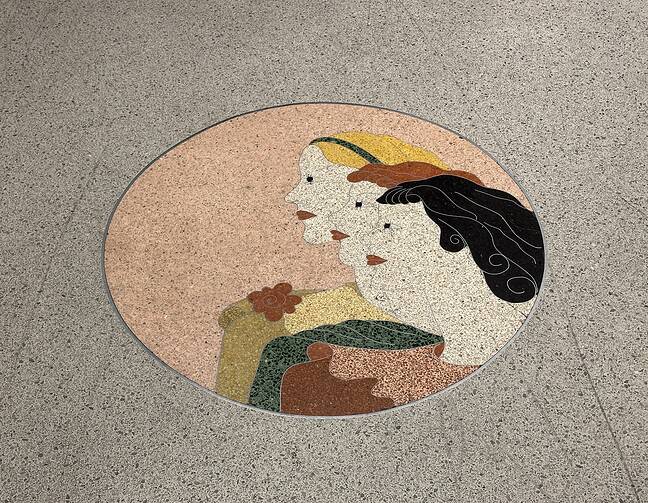
A floor of stone chips scattered into a binder and ground smooth: sown, not laid. From the mirror-like halls of Venice to the stairwells of interwar Gdynia, terrazzo travelled the world under a dozen local names — and a dozen local reputations. This is the story of how one material became luxury, then drabness, then luxury again, and of the handful of Friulian villages whose craftsmen carried it across five centuries. From Venetian seminato to Polish lastryko — and back.
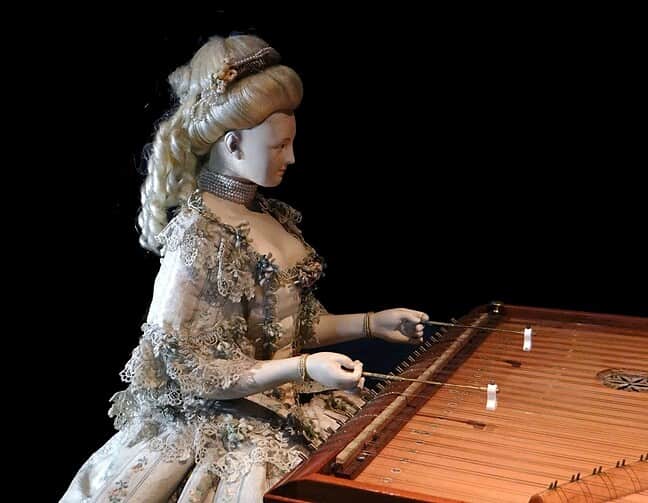
Secret drawers. Springing panels. Desks that rebuild themselves at a single hidden touch. David Roentgen was the cabinetmaker who sold kings their furniture — and, sewn into it, their secrets. The furniture went viral three hundred years too late. The mystery it was built around never did.
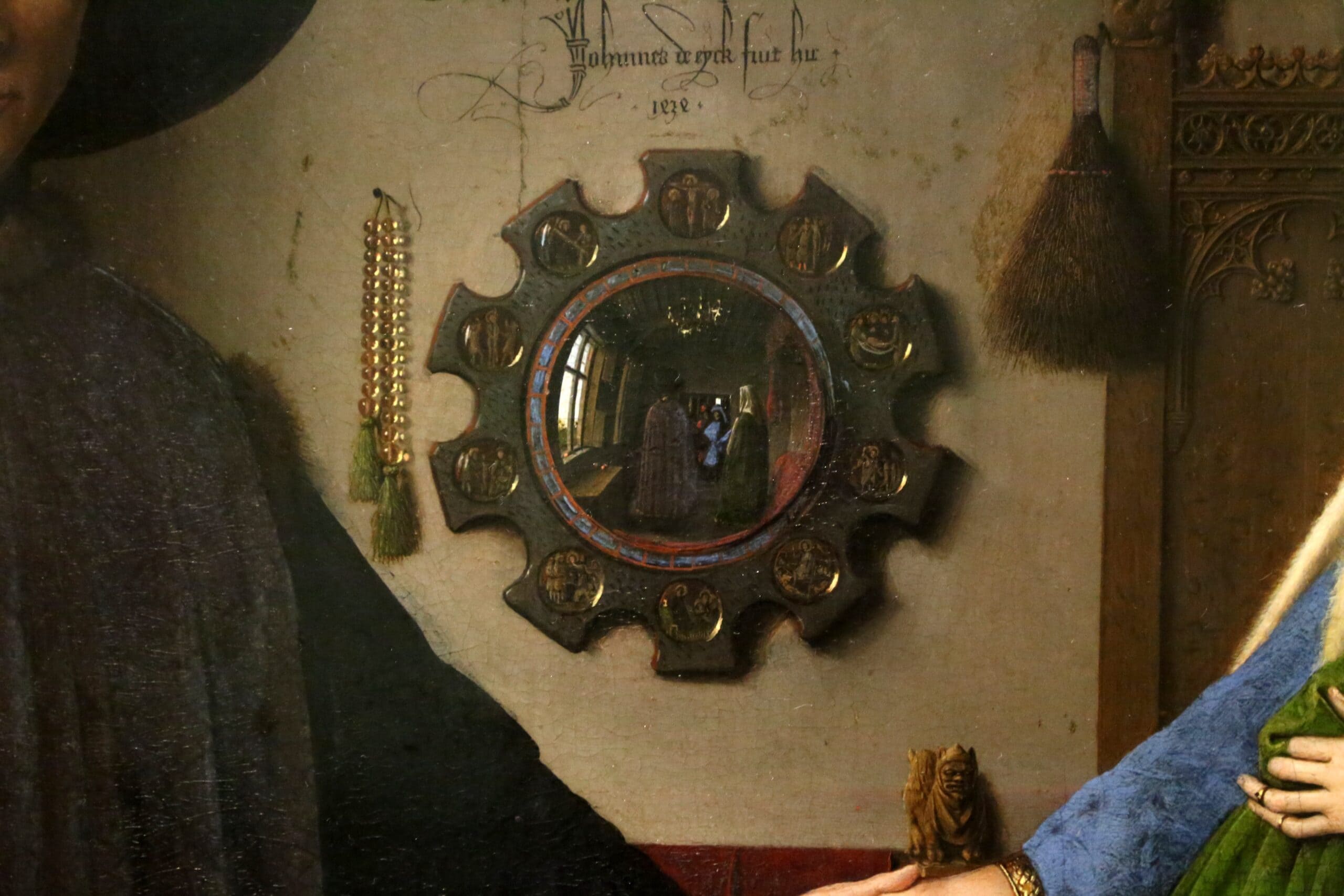
For centuries, looking into a mirror meant looking into a dark, warped blur. Venice changed that — and guarded the secret with daggers and assassins. The story of how France stole it, and turned an act of industrial espionage into the Hall of Mirrors at Versailles.

The earliest accounts of the Shakers speak not of furniture but of bodies that could not be kept still. Two and a half centuries later, the same word sells kitchens. This is the story of everything cropped out in between — the loud colours, the factory chimney, the trademark — until all that remained was a style.

A green that exhaled arsenic. A purple reserved for emperors. A blue born of a laboratory accident. Colour was never just decoration — it had a price, a rank and a body count, and it still isn’t the innocent last layer of a design. How pigment, light, material and the wall next door conspire to make the colour you actually see — and why the room, not the swatch, is the only place the decision can be made.

